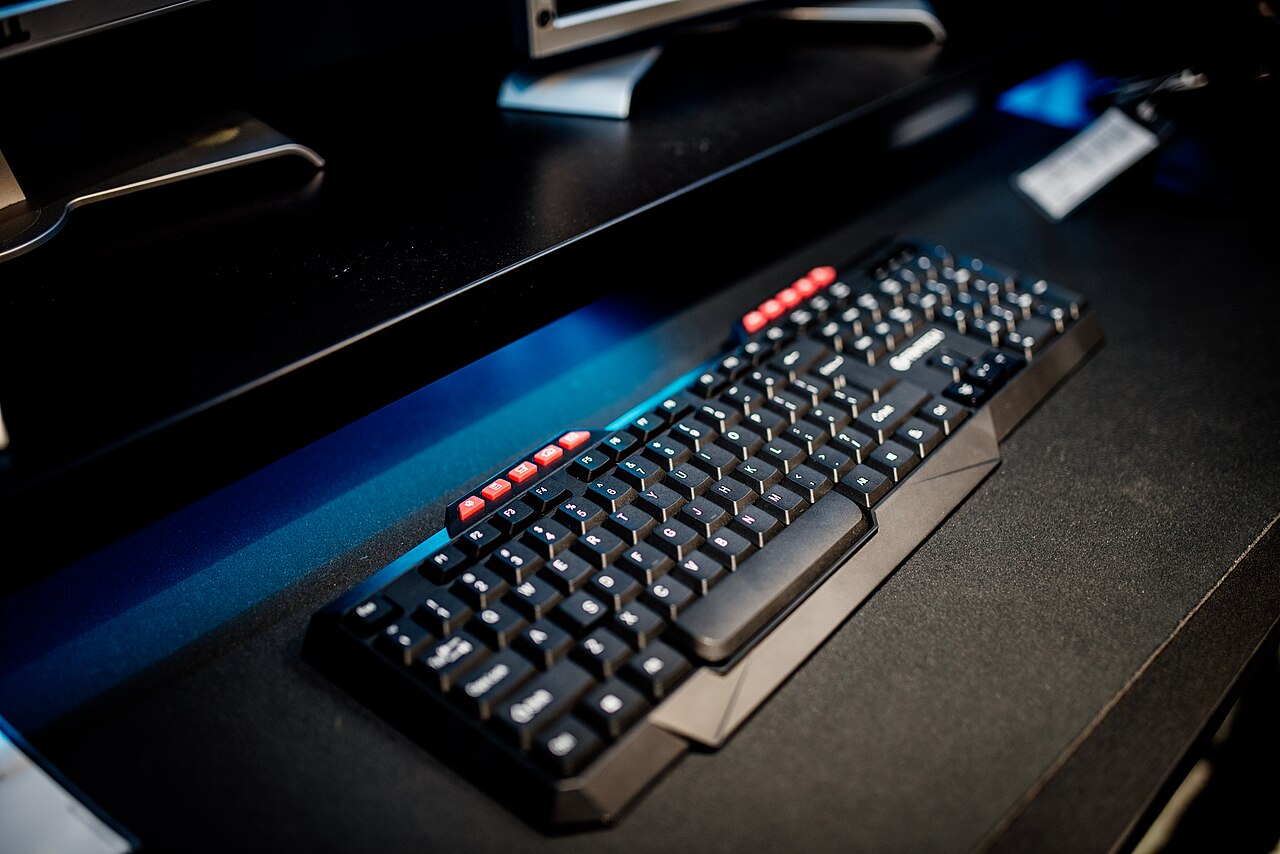
Cover photo: 'Velocity Micro "ProMagix HD60" Workstation Computer' by Mnicolois, CC BY 4.0 (via Wikimedia Commons)
Home Lab vs Rented Server for AI Prototyping: An Honest Cost Comparison
The home lab versus rented server question is usually argued with ideology. It is actually an electricity bill, a depreciation curve, and a duty cycle. Prototyping AI tools at home feels free until you meter it, and renting feels expensive until you model how rarely your own experiments run. This comparison uses real, published numbers on both sides and shows where each option genuinely wins.
The hardware, priced honestly
The classic builder move is a used RTX 3090: 24 GB of VRAM at 350 W. Price-watch data from September 2026 tracked median sold 3090s on eBay in the region of $1,100 to $1,400, with typical sales between roughly $1,200 and $1,400 in US markets. The whole rig, CPU, board, 64 GB RAM, NVMe, PSU, lands in the low four figures. That buys a development box outright, with older silicon and no warranty. The math that anchors the used-card market is VRAM: 24 GB is exactly the size that a Q4_K_M 27B-to-32B model plus a modest KV cache needs to live entirely on the GPU, which is why 3090s never really left the builder conversation.
Rental economics look different because you buy time, not capital. September 2026 marketplace trackers showed RTX 4090 cloud instances from about $0.12 to $0.34 per GPU hour and dedicated single-4090 servers quoted near $139 per month by cost-sheet hosts. A weekend of prototyping on a rented 4090 costs less than a tank of gas. The 3090 pays for itself only if you use it, a lot, for years.
The electric bill nobody puts on the box
Power is where home compute stops being free. A 350 W GPU-class card under inference load draws on the order of 187 kWh per month running 24/7, and published GPU-hosting analyses put a workstation node at $37 to $60 per month in electricity before cooling overhead. Homelab power studies from early 2026 measured a GPU node adding 85 to 100 W at idle alone, about $137 to $161 per year at the US residential average of $0.184 per kWh, which is roughly three times what a datacenter with negotiated power contracts pays per kilowatt-hour.
Add the non-obvious costs: a 24/7 rig is a space heater, residential circuits get nervous around sustained multi-kilowatt loads, and fan noise is a real quality-of-life tax in a room you sleep in. None of that appears in a hardware budget.
Duty cycle decides everything
Now divide the two ledgers by usage. If your rig runs experiments two hours on weeknights, the 3090's effective cost per compute-hour, hardware amortized over three years plus electricity even at idle, beats any rental rate. If it runs 24/7 doing batch inference for a side project, rental at flat monthly dedicated rates competes immediately, because you stopped paying for idle.
There is an asymmetry beyond cost: uptime and bandwidth. Your house has one power feed, one ISP, dynamic IP, residential terms of service, and upload speeds that make serving an API to other people embarrassing. A rented box answers webhooks at 3 AM from a facility built for that sentence. The home lab wins development loops. It loses anything with users. Rented GPU time has its own duty-cycle mirror: an always-on inference service on hourly rates costs more per month than the flat dedicated plans that were built for exactly that pattern, so the rental answer splits into hours for experiments and months for services.
The hybrid pattern most engineers land on
The honest answer for most people is both, with different jobs. Home: a modest CPU machine with 64 GB RAM for coding, dataset prep, small model experiments, and the agents you are teaching. It is quiet, cheap to power, and it can be down when you sleep. Rented: a GPU instance by the hour when you need to benchmark a quant, fine-tune, or scale a prototype for a demo, then torn down, and a small monthly VPS or dedicated box for anything long-lived, webhooks, the n8n stack, the agent gateway that has to be reachable.
Track your actual GPU-hours for a quarter before you buy silicon. The number that surprises most builders is how few hours per month their experiments truly need, and how cheap renting those hours turned out to be compared with three years of depreciation and electricity.
Home labs are the right teacher and the wrong production environment. Buy hardware for learning loops you run daily; rent compute for experiments with a deadline and services with users, and let the duty cycle, not the ideology, pick the column. When your prototype stops being a hobby, the cleanest next step is predictable rented compute that bills the same number every month, so the only variable left is your own usage.
Gear we recommend for AI workloads


havit HV-F2056 15.6"-17" Laptop Cooler Cooling Pad - Slim Portable USB Powered (3 Fans), Black/Blue
Top-rated on Amazon
View on AmazonAs an Amazon Associate we earn from qualifying purchases.